Case Study
Visitor Management Product Suite
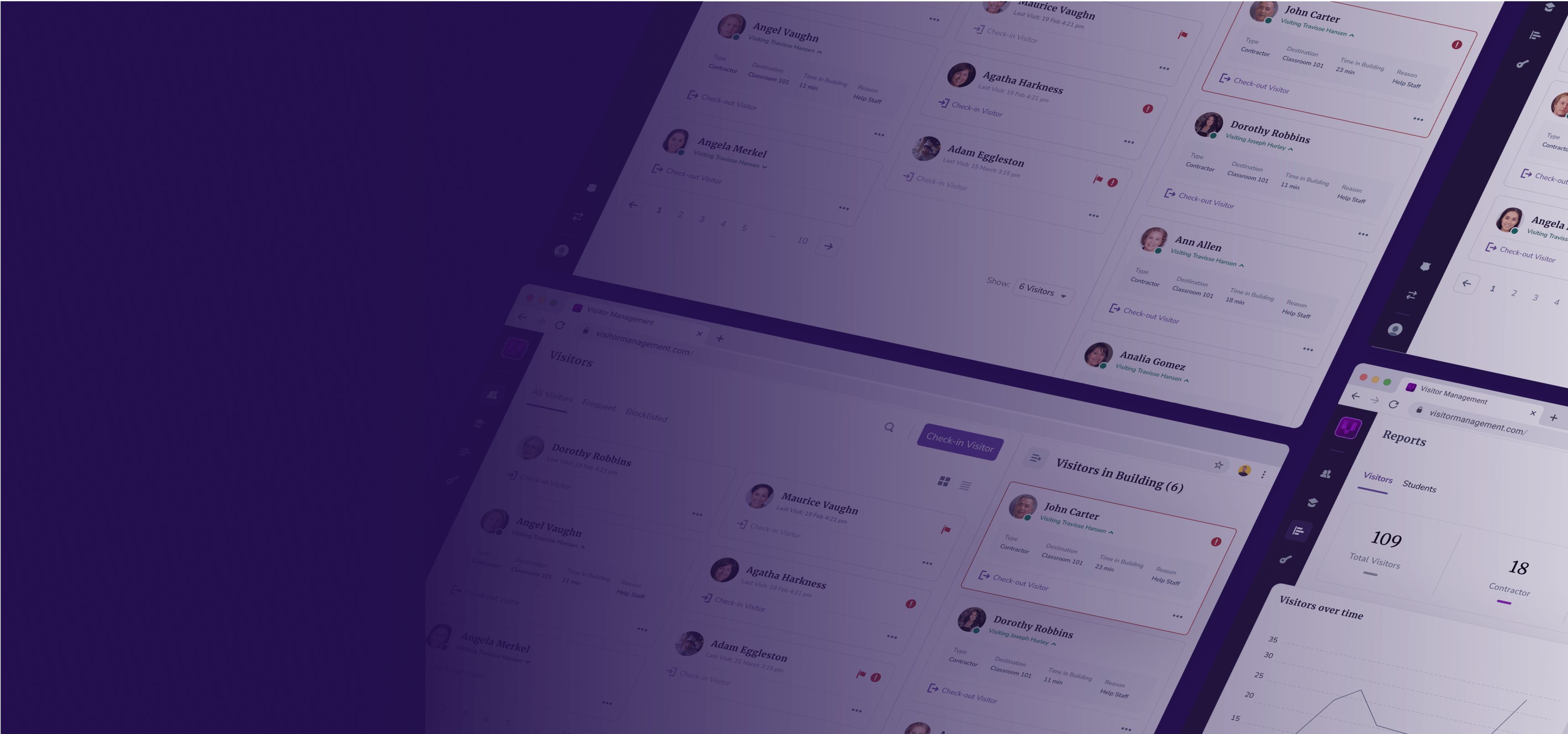
UX Cabin researched, designed, and helped launch the Navigate360 flagship visitor management product.
🚩 Flagship Product
Visitor management was launched to directly compete with one of the largest EdTech tools on the market
🔎 User Research & Testing
UX Cabin did quantitative and qualitative user testing, research and analysis
⚔️ Competitor Analysis
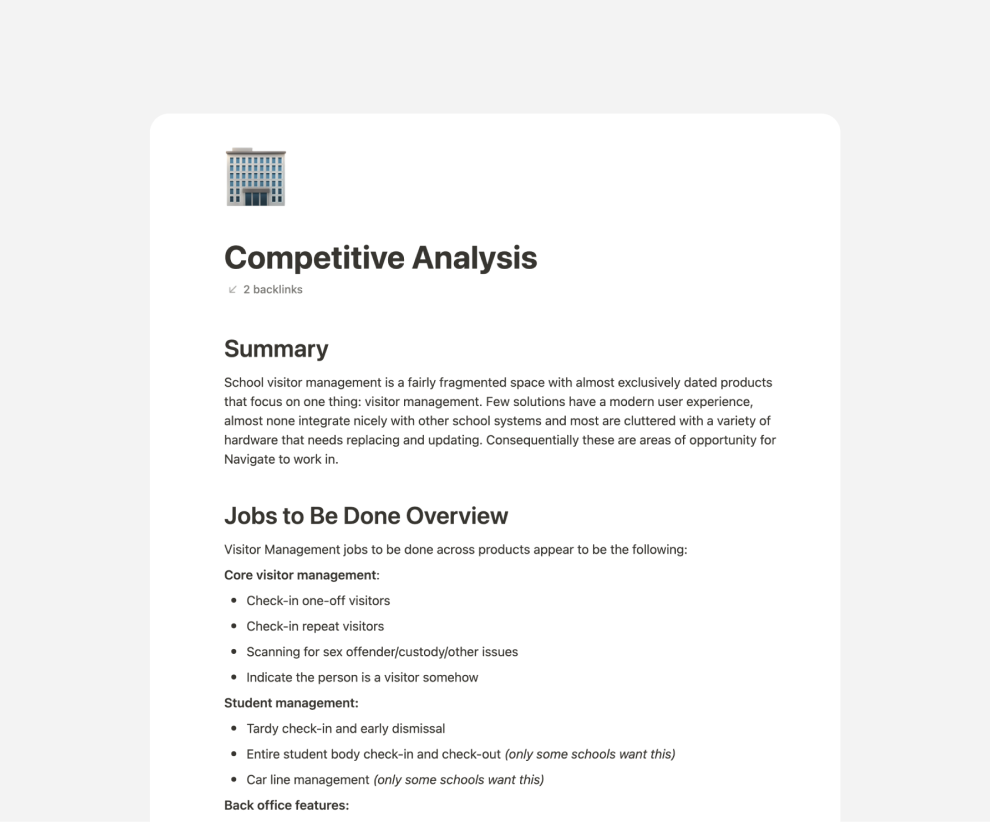
We combed through all viable market solutions to give us an edge in how to position the product features
⚛️ React Development
We developed web and mobile apps in React and React Native
🤝 Integrated Team
🥇 Multi-Product Design System
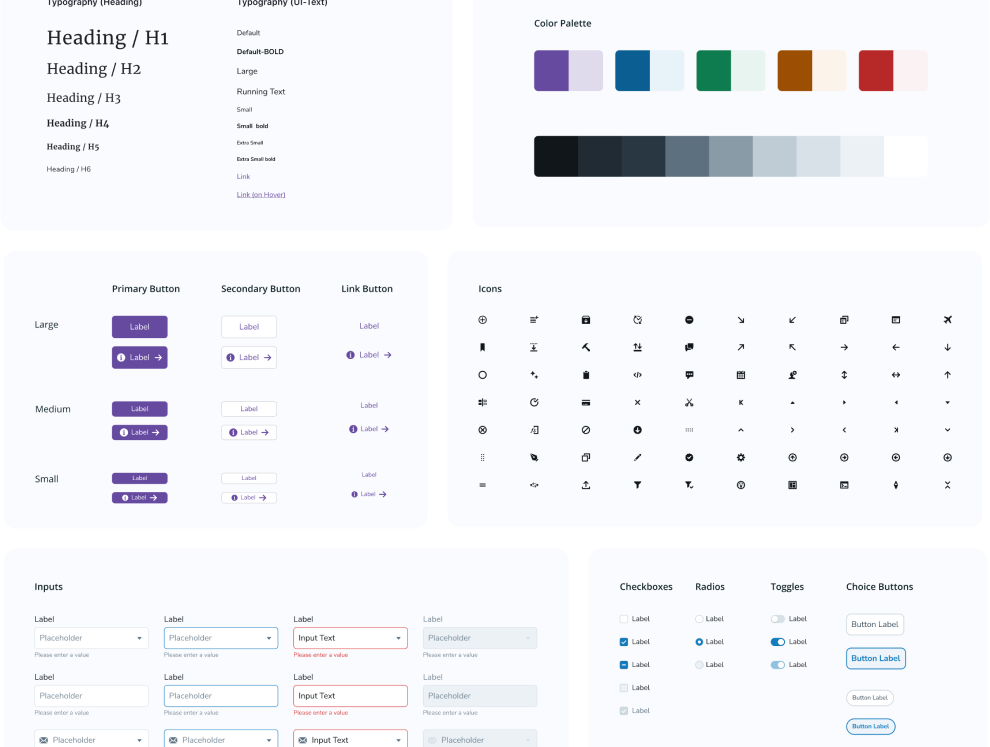
Our design system needed to scale to other products while maintaining consistency across look and feel
Overview
UX Cabin helped Navigate360 build out mobile and web apps to expand in the Visitor Management market.
Background
Navigate360 is one of the largest school safety software providers in the U.S. They were the result of a recent merger between several of the leading players in the space and brought in UX Cabin to help them enter the visitor management market.
Objectives
- Conduct market research
- Build out a new competitive Visitor Management Solution
Strategy
- Understand the competitive landscape
- Get in the head of the actual user of the product to understand the Jobs-to-be-done
- Build out a prototype and show it to them to see if we could make their lives easier
- Take this to development
Competitor Research
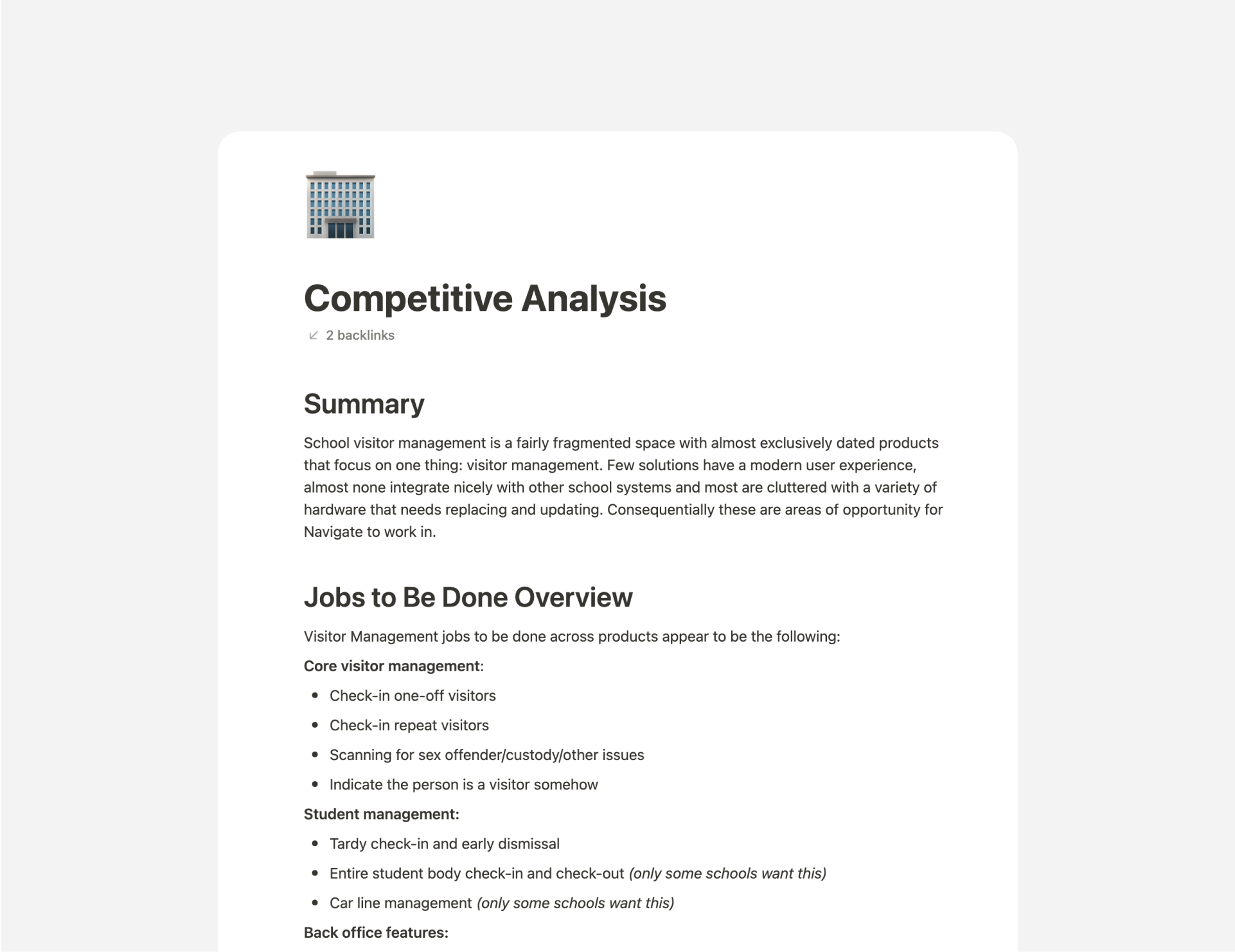
Existing school visitor management solutions were outdated, required a lot of hardware maintenance, and had difficulty integrating with other software schools relied on.
Takeaways
- Pricing is very complex. Often doesn't include hardware or training.
- Most companies complained about printers jamming or ID scanning not working
Opportunities
- Integration with other platforms outside of solely visitor management
- All existing providers have very out of date design and poor UX
- Simplify pricing
- Minimize hardware needs
User Research
Since Visitor Management was built from scratch, UX Cabin interviewed 38 individuals and surveyed over 600 to ensure we were building the right product for the right people.
Qualitative Ethnographic Sessions
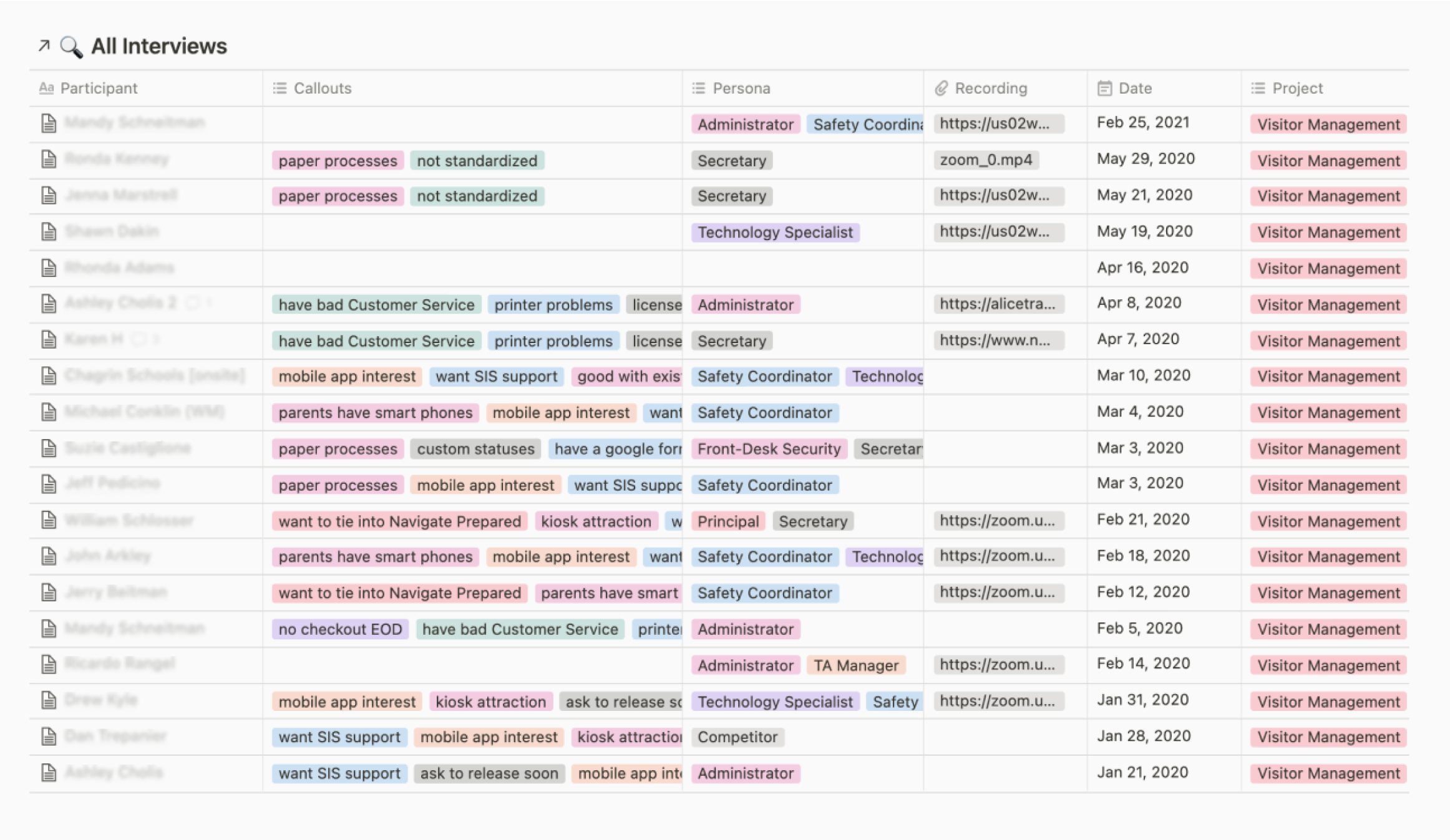
To start, ethnographic sessions were conducted with each persona to explore what they were currently experiencing with their current platforms and what they may expect from a better more useful product experience.
- To date, we have interviewed over 38 individuals spanning all of our personas
- Some sessions were even conducted on-site where we could better observe how people get checked in and what type of things we need to account for.
Persona Findings
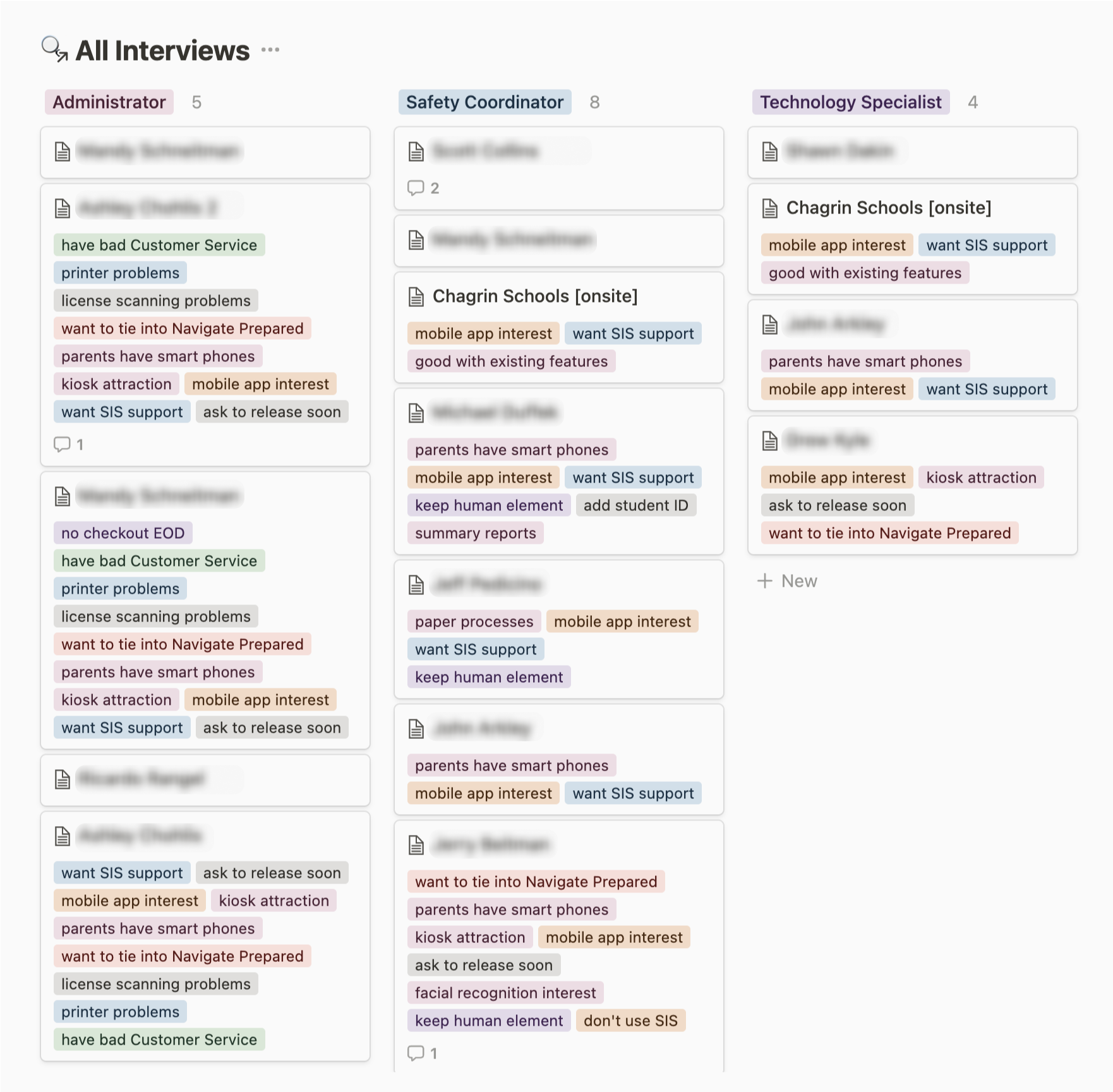
These generally were uncovered in the individual sessions, then confirmed more widely with the survey.
- Safety Coordinator — The safety coordinators were most often concerned with problems at hand and longed for a more proactive approach toward safety.
- Front-desk Secretary — The front-desk secretaries, it was learned, were often tasked with running something like visitor management on top of the plethora of other tasks meant to all be tackled simultaneously.
- District Administrator — For district administrators, aggregate data and clear results were the highest requested features from such a management tool as well as ways to pull out specific dates and occurrences and automate report making.
Survey Findings
- Most schools have between 10-50 visitors per day
- Nearly half don't have a visitor management tool.
- Over 70% aren't happy with their current solution.
- Badges were the most attractive features (kano model).
- Most requested features ended up in the 3rd quadrant of the kano model signaling a less than enthusiastic need for those features (especially when geographic and budget was considered).
- Finally and most importantly was the absolute necessity for SIS integration
Decision Makers Sentiment
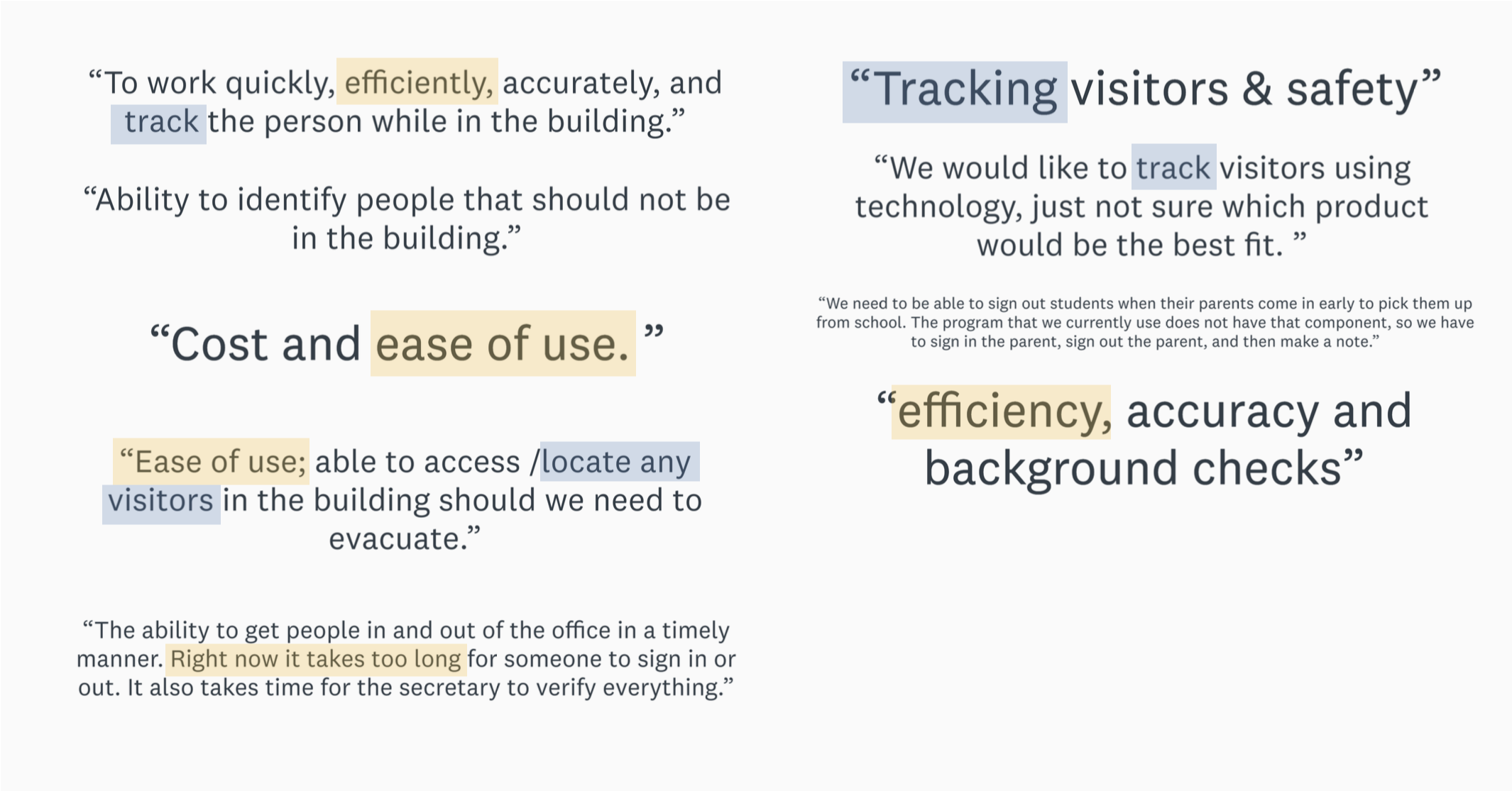
- Need for SIS integration
- High interest in mobile app and kiosk solution so long as they can keep the human element.
- Safety a first concern with efficiency as a second (but still pressing) concern.
- Half of decision makers who had a solution were open to anything better.
Design
UX Cabin created designs to help Navigate360 Visitor Management stand out as the simplest, easiest to use, and most modern option on the market.
Design Principles
- Dead simple
- Easy to use
- Get out of their way
- Empower them to make the right decision
Wireframes
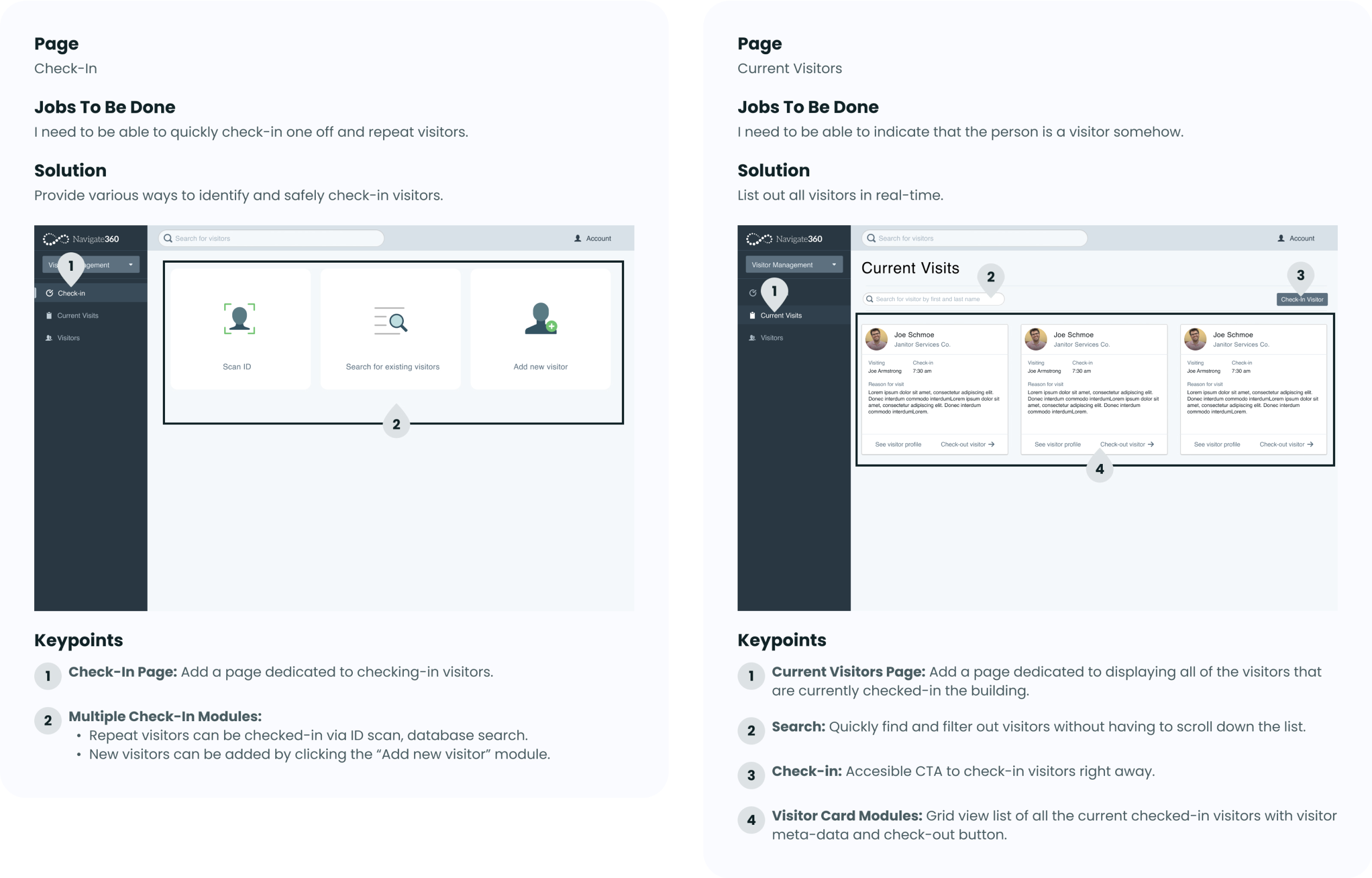
To begin the project we created simple wireframes to focus on the flow of the app without the burden of refining visually.
Final Designs
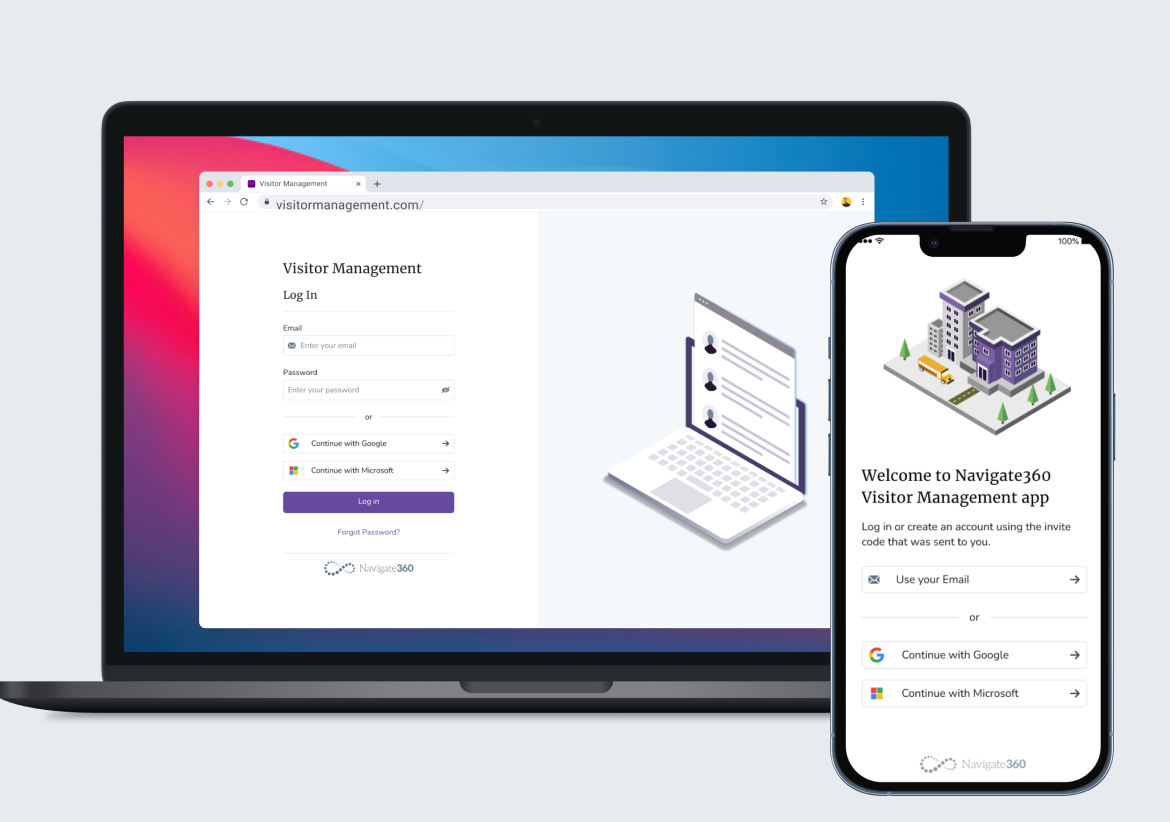
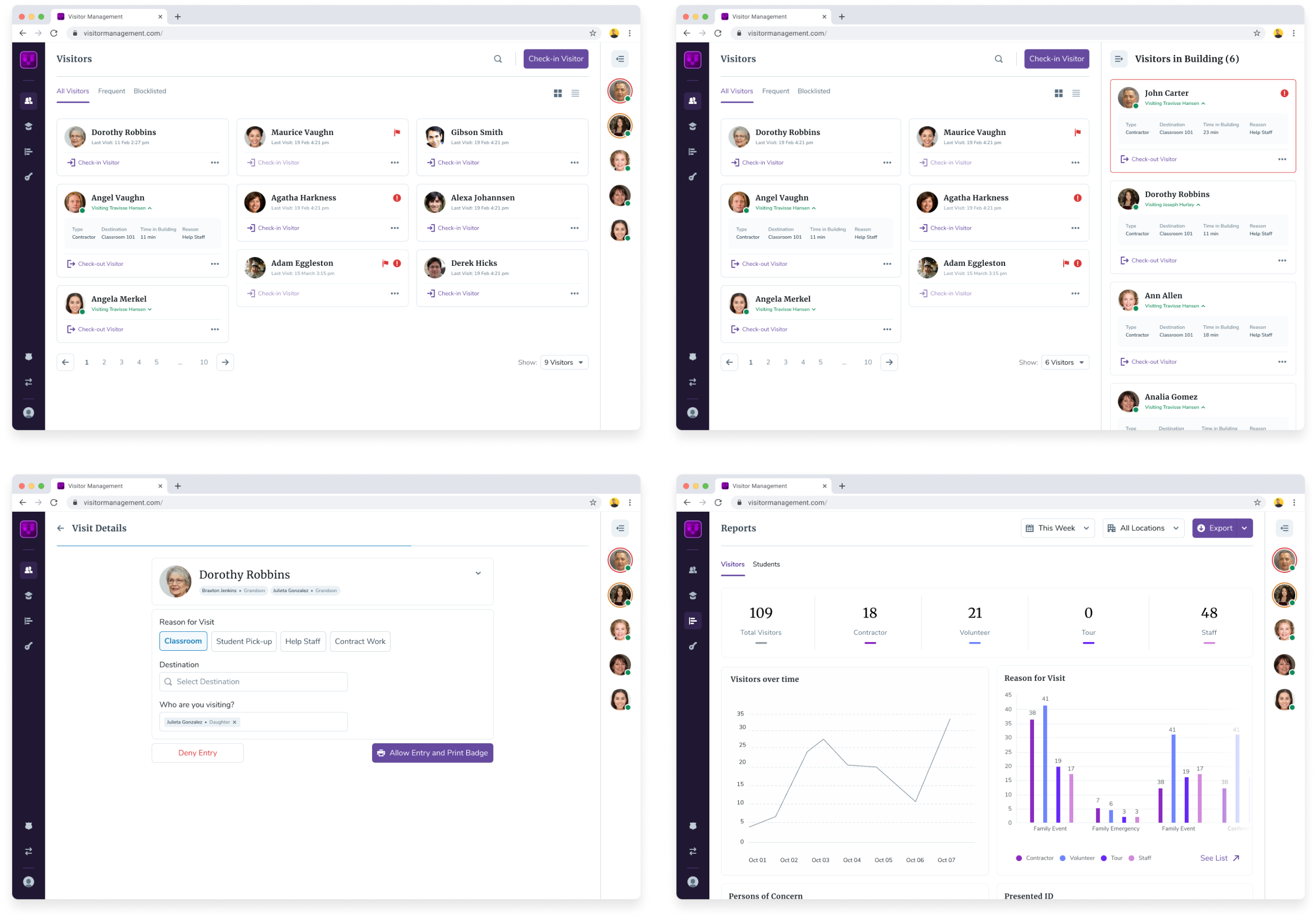
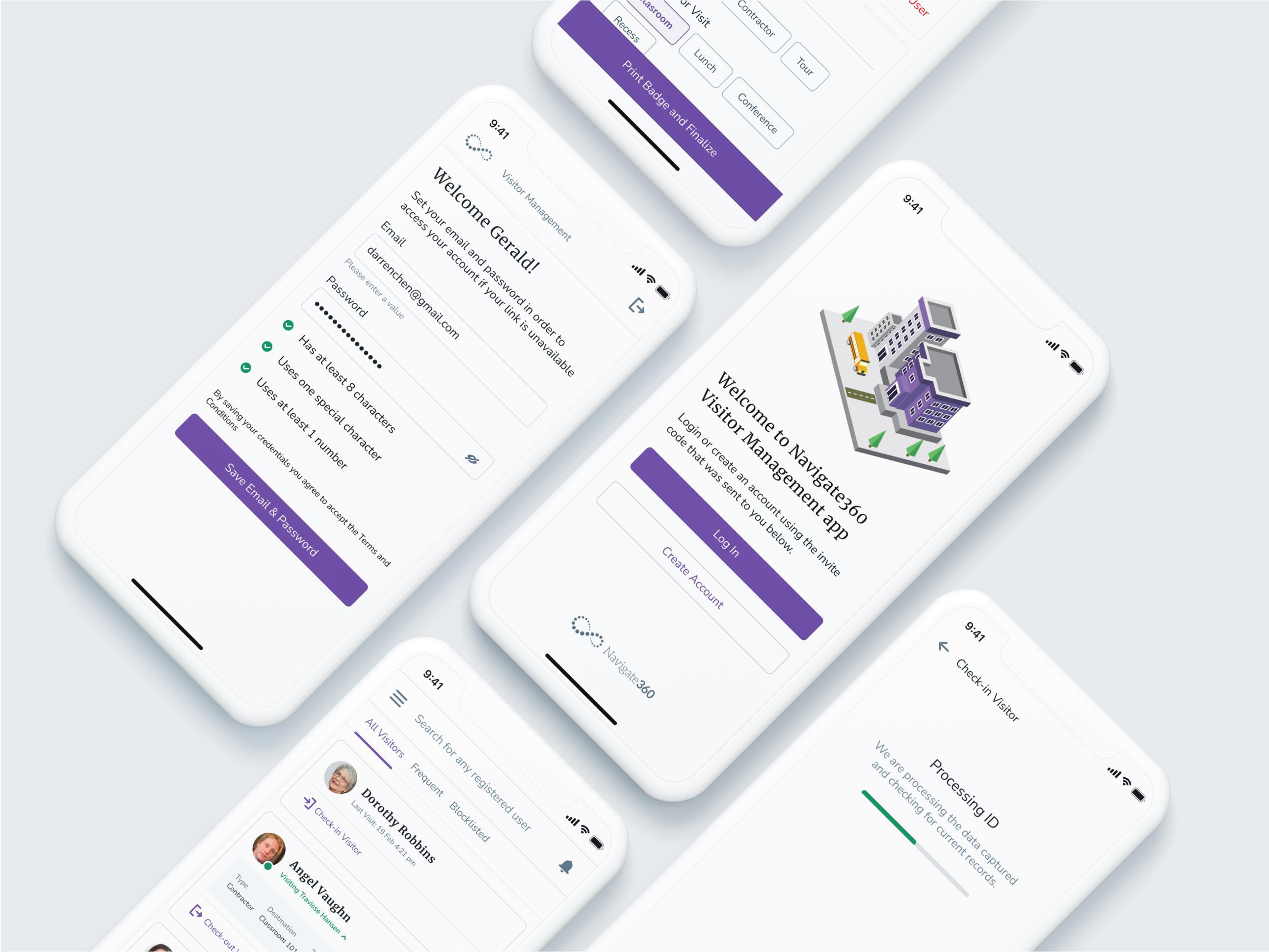
Once workflows were validated we completed final designs for the app focusing on simplicity and a modern aesthetic to set Visitor Management apart from other, older competitors.
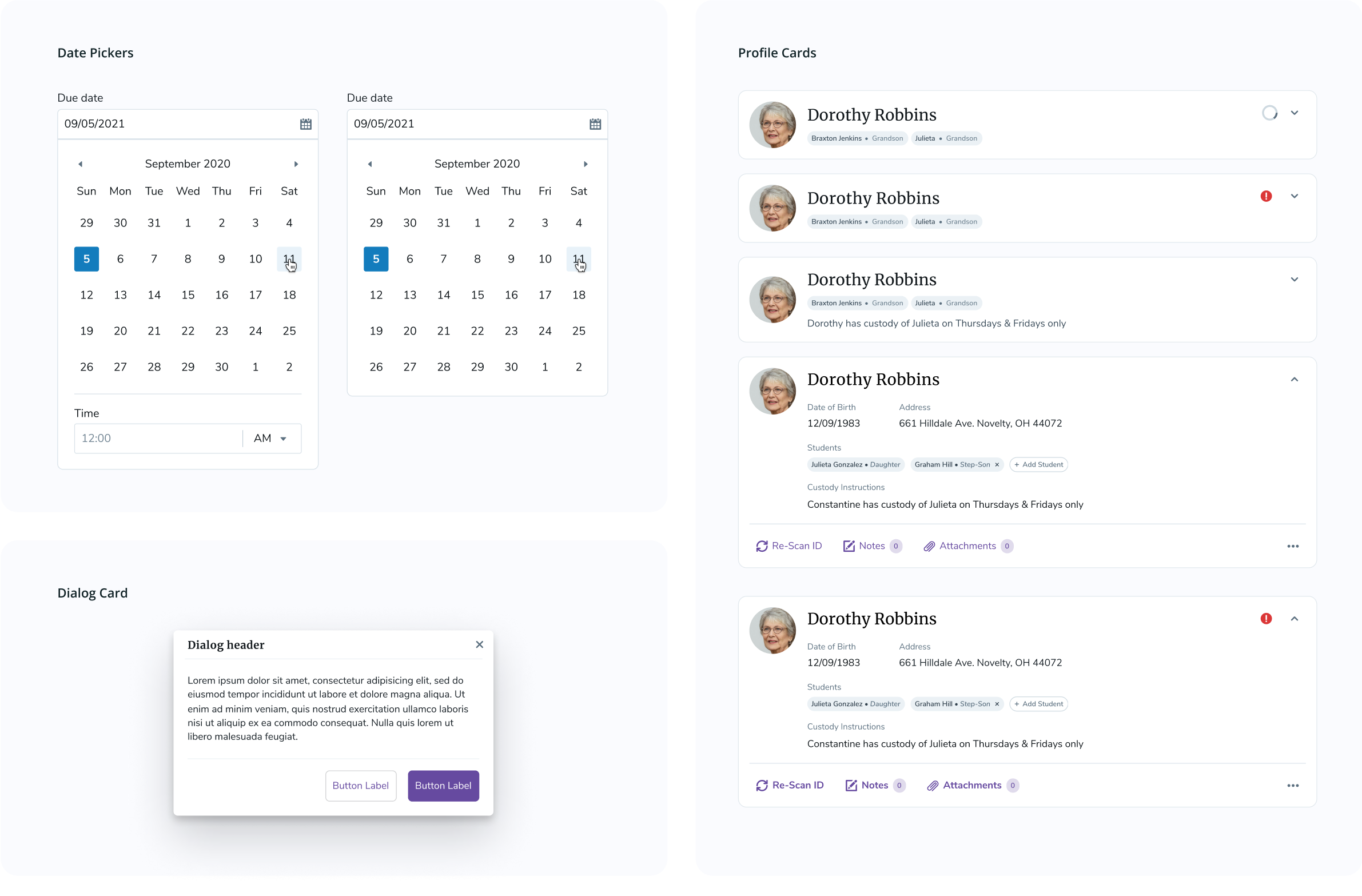
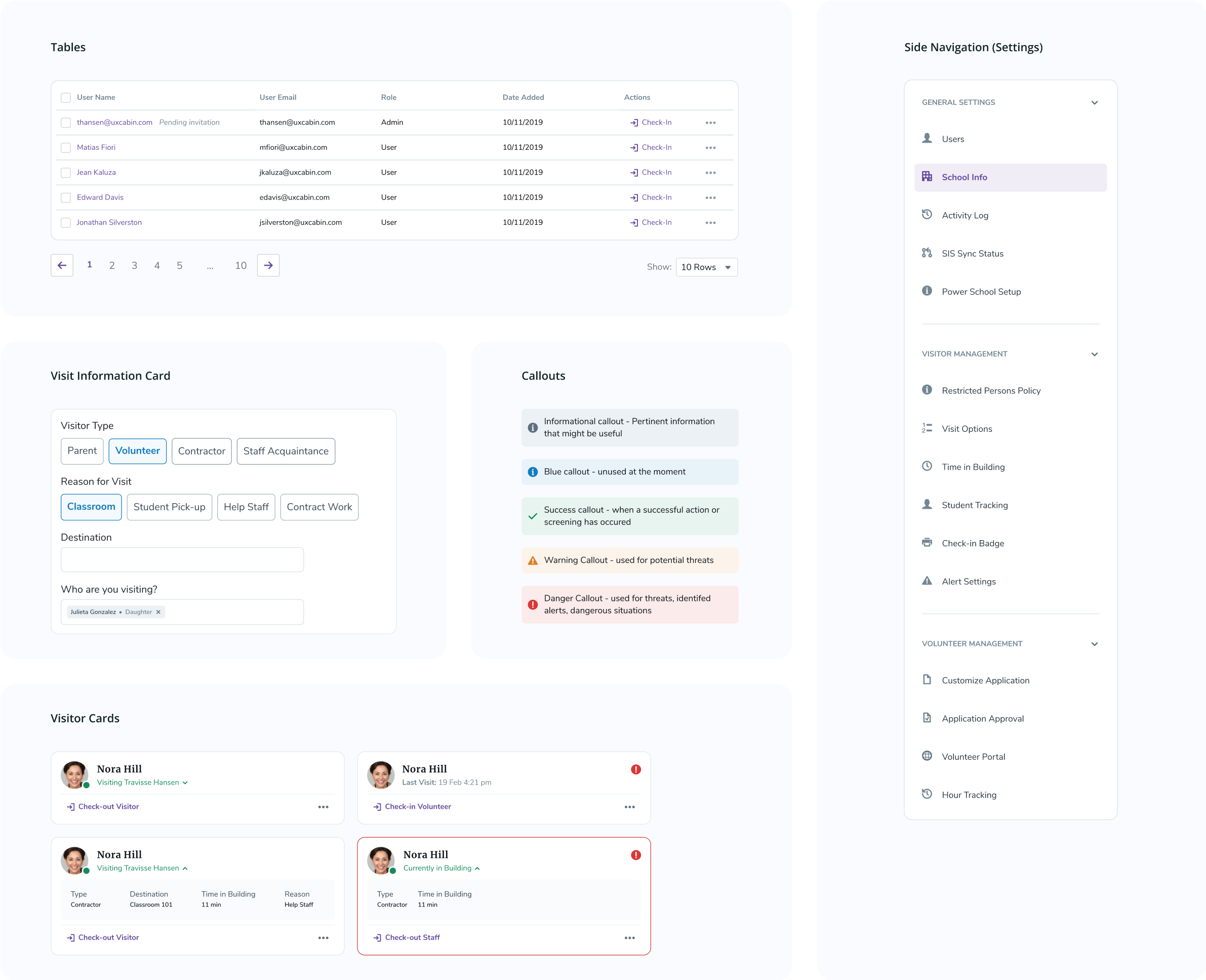
Design System
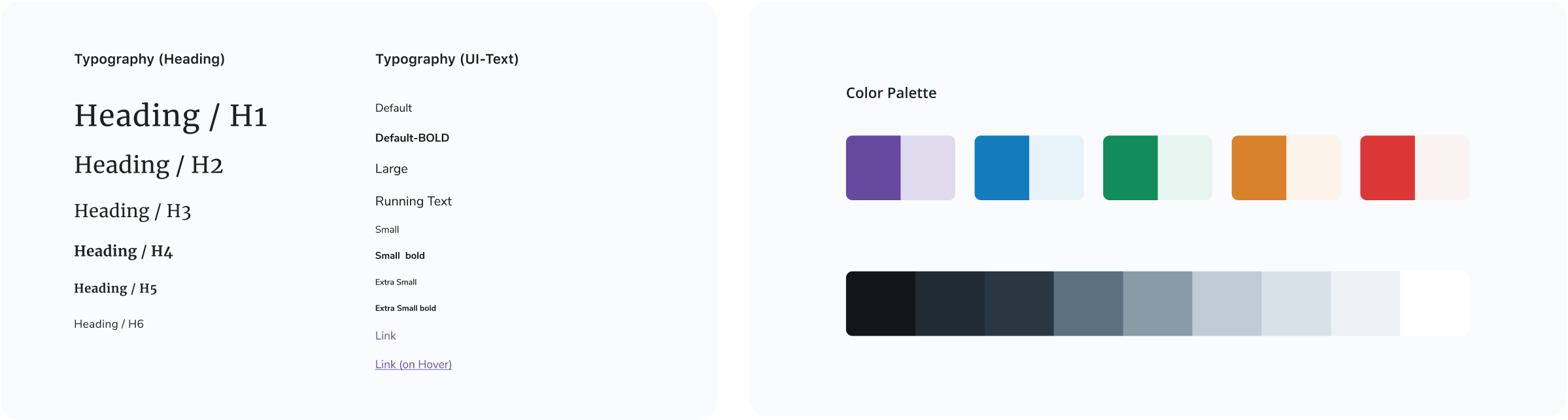
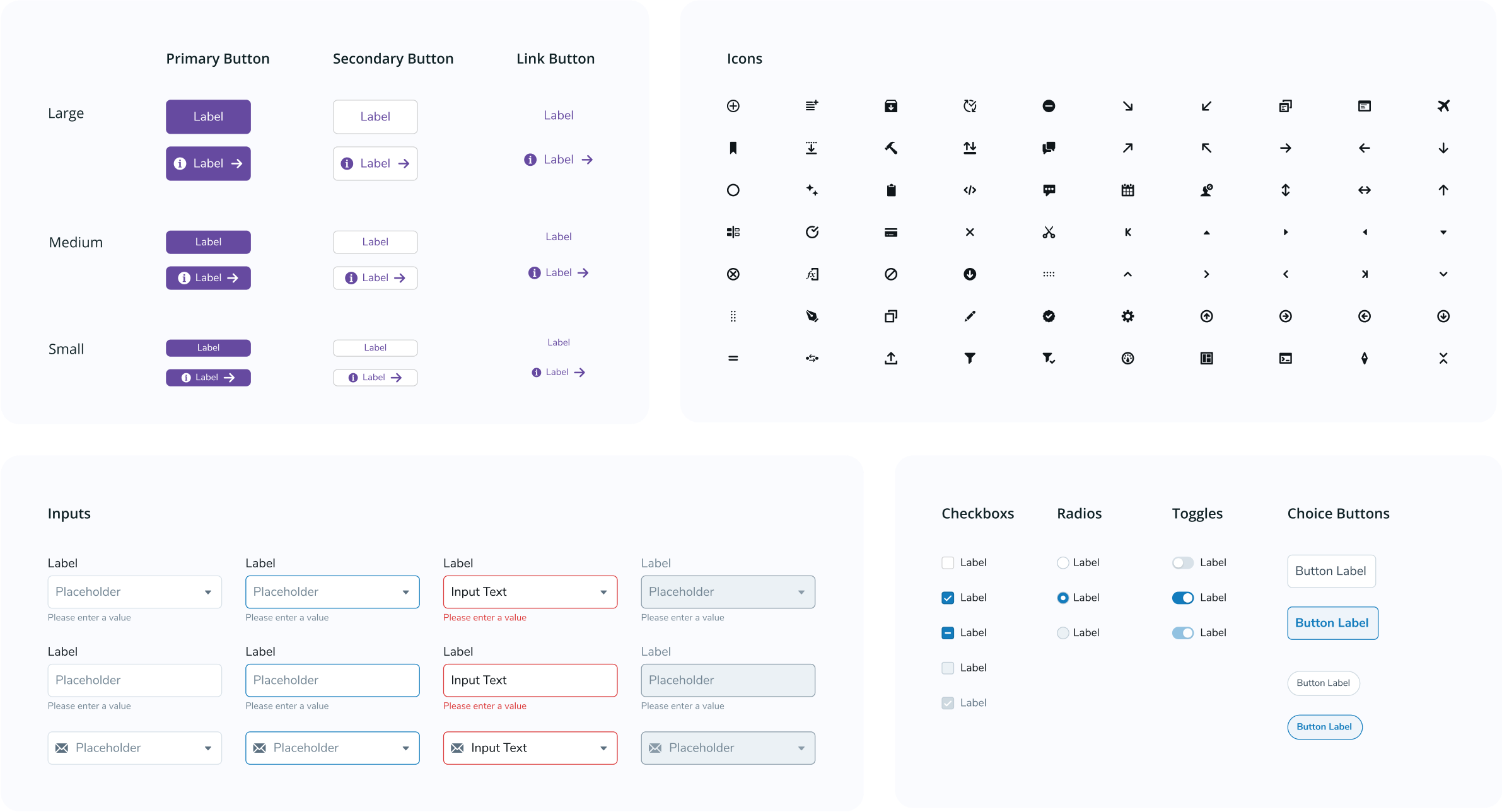
A design system was created from scratch and built to be extensible and used for all future Navigate360 products.
Atomic Design
The Design System was created with Brad Frost's "Atomic Design" philosophy. In this model, the smallest UI elements are referred to as "atoms" (ie, icons, labels) and are assembled together in order to create components referred to as "molecules" (ie, buttons, inputs). Molecules are put together in order to create more complex components called "organisms" (ie, cards).
Principles
- Multi-product scalability
- Theming based on product
- Front-end led from blueprints.js
- Flexible enough to fit different scenarios
- Specific enough to be useful
Whether it was building new products or re-platforming old products we needed a scalable design system to accommodate the growing suite of products within Navigate360.
User Testing
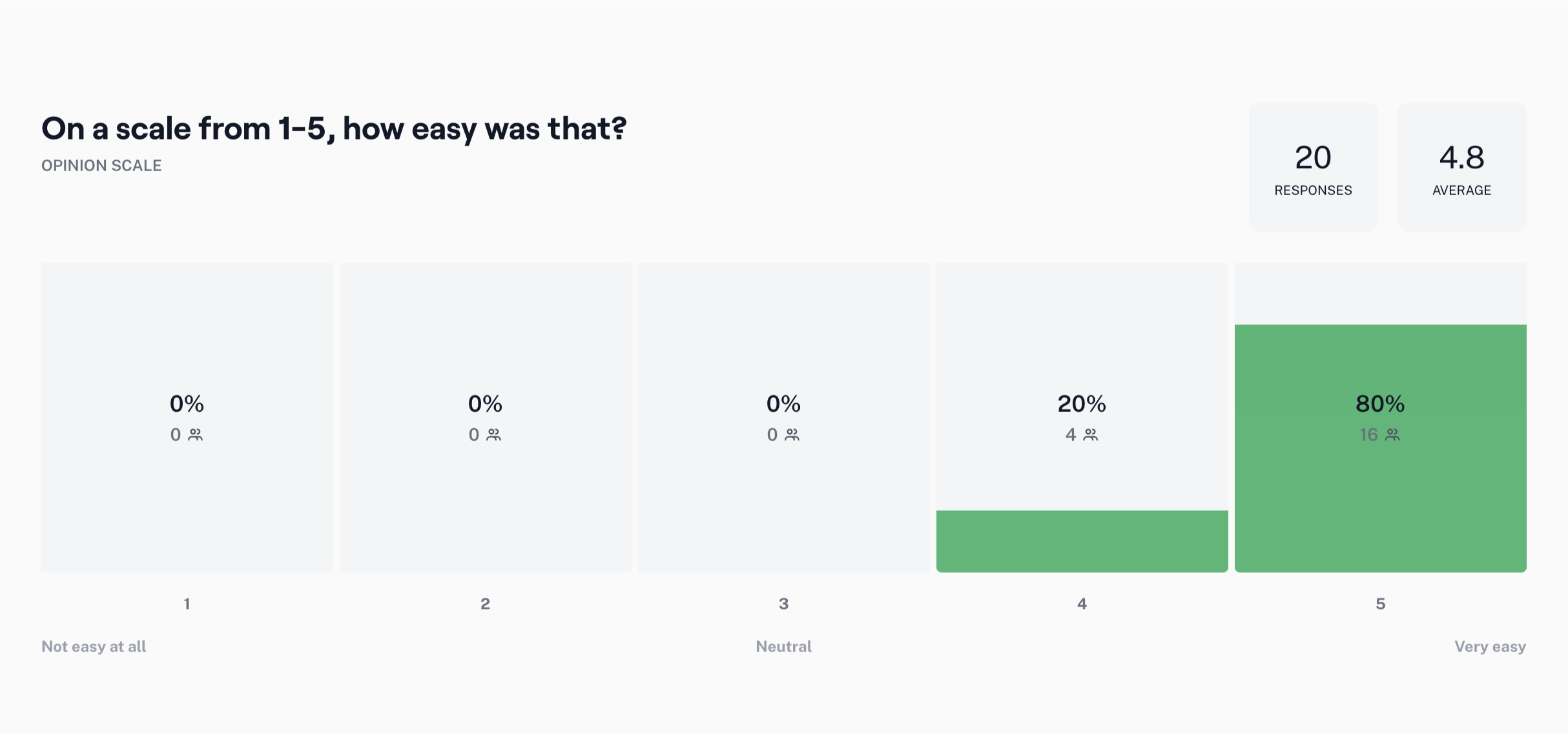
UX Cabin leveraged both live audited user tests and self-directed user tests through Maze to refine the design of Visitor Management.
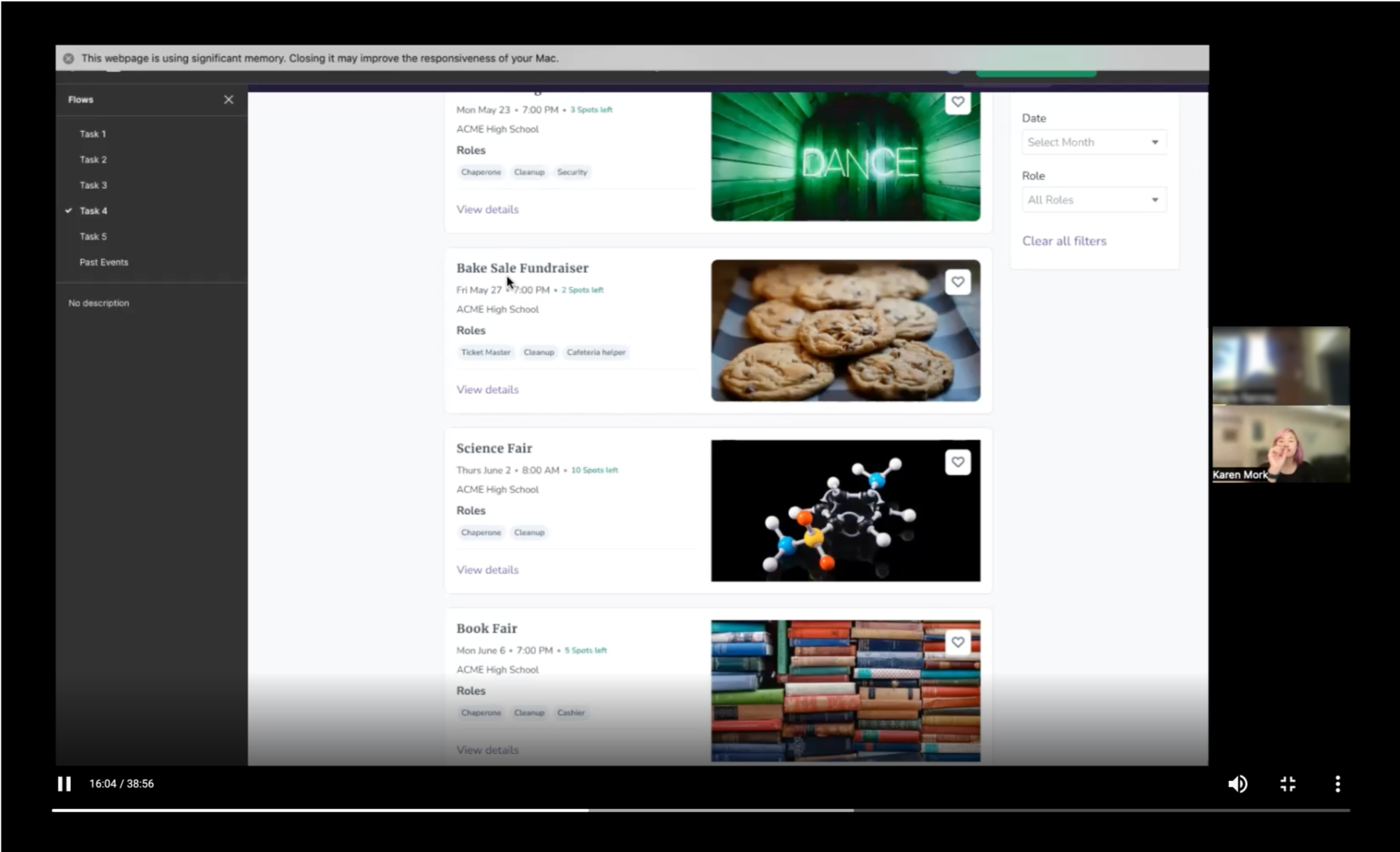
Moderated User Tests and Interviews
When we needed context beyond just clicks we conducted live users tests of Visitor Management. This allowed us to understand user questions and intent in real time and ensure our designs were solving the right problem.
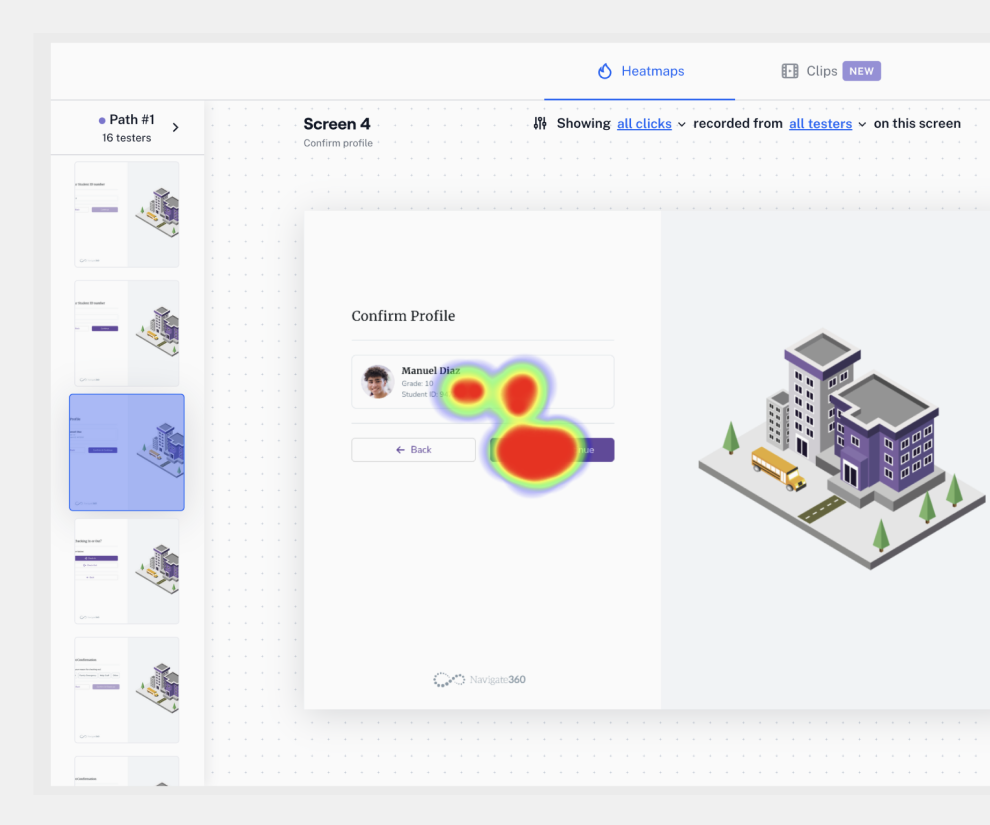
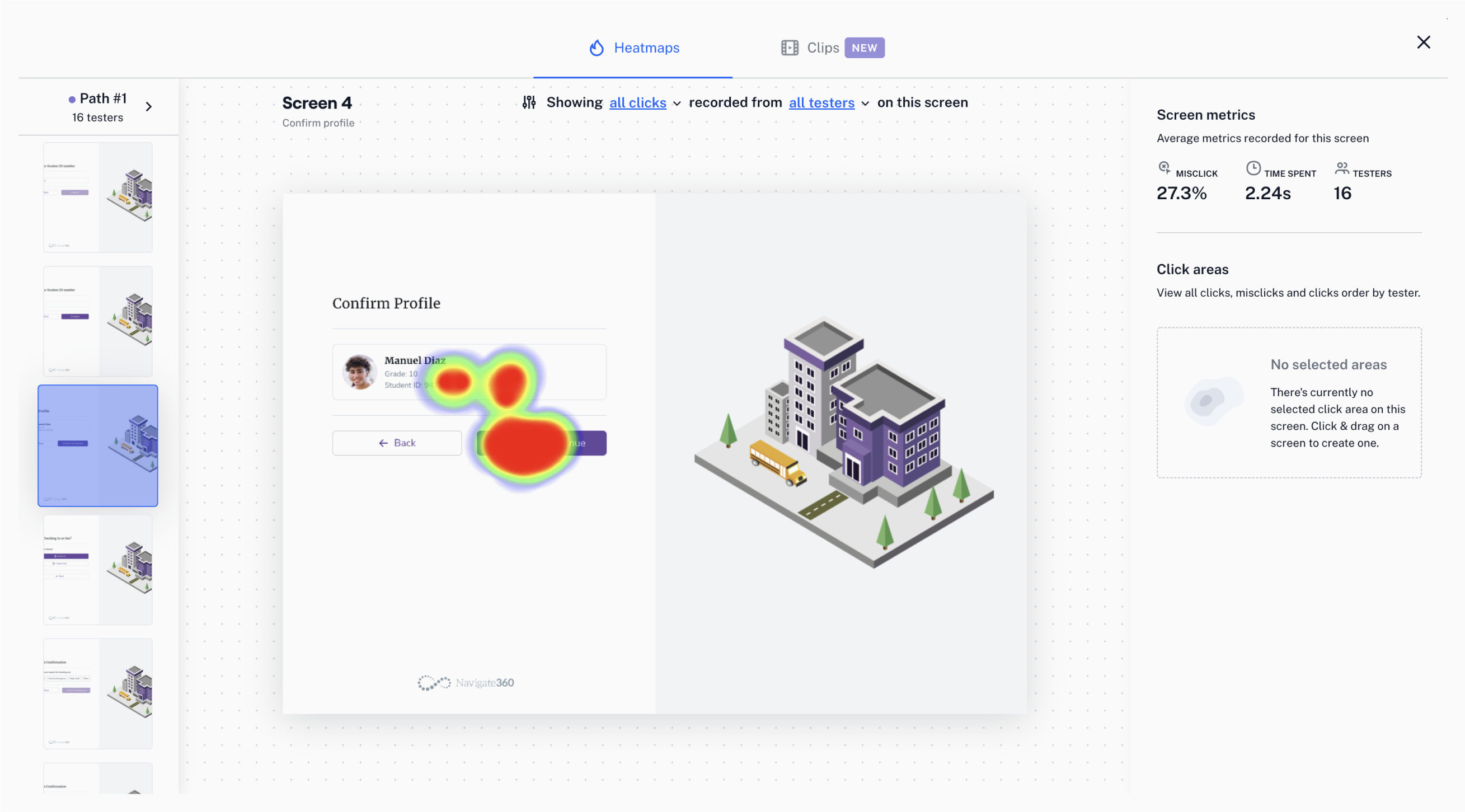
Unmoderated User Tests With Maze
When we needed context beyond just clicks we conducted live users tests of Visitor Management. This allowed us to understand user needs and intent in real time and ensure our designs were solving the right problem.
User Surveys
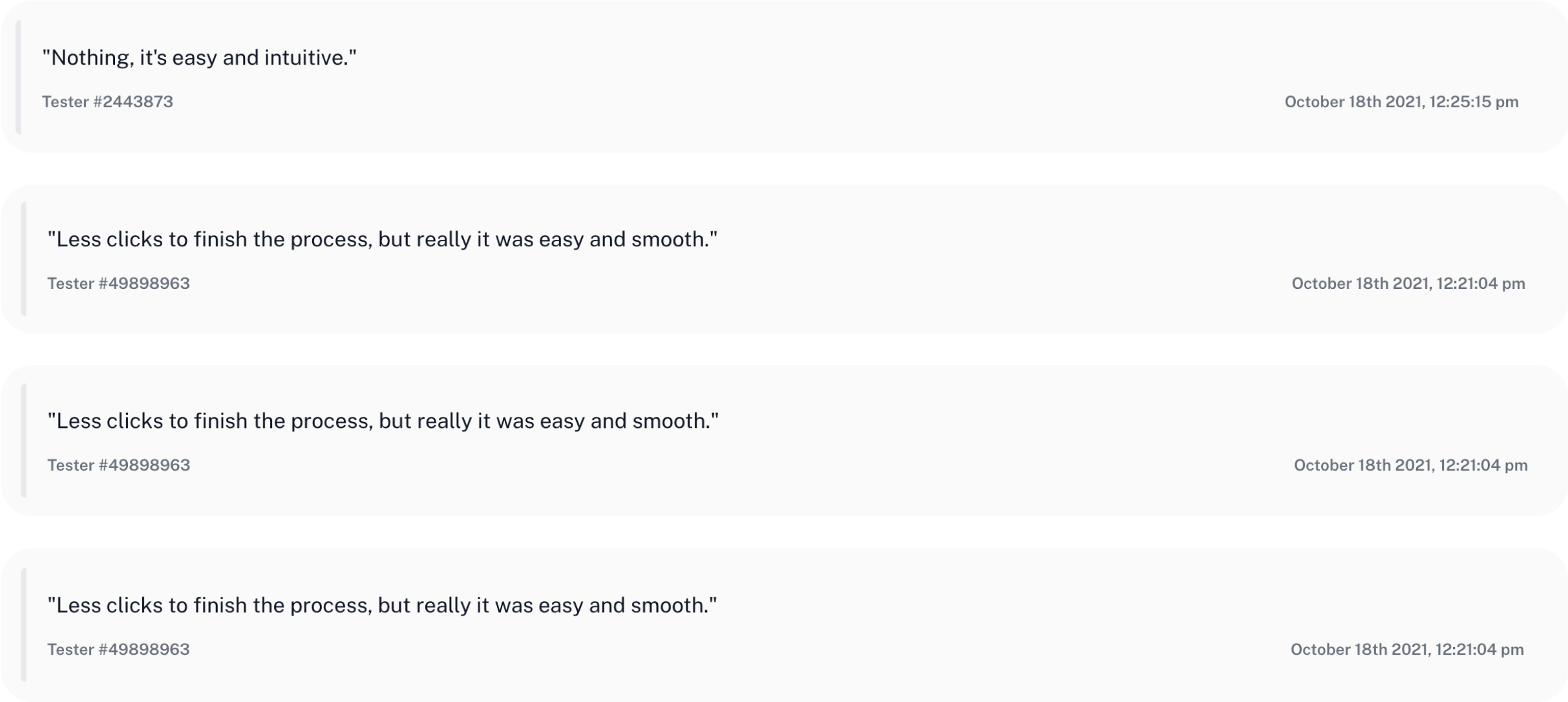
In addition to interactions with the prototypes we gathered direct feedback about the usability of each flow as well as suggestions for improvement.
Front End Development
UX Cabin supported the internal development team by leading the front-end development process.
Web App
UX Cabin joined forces with Navigate360 from the beginning of development on the app including determining the tech frameworks to implement and executing that implementation.
- React
- Redux
- Blueprint.js

Mobile Companion App
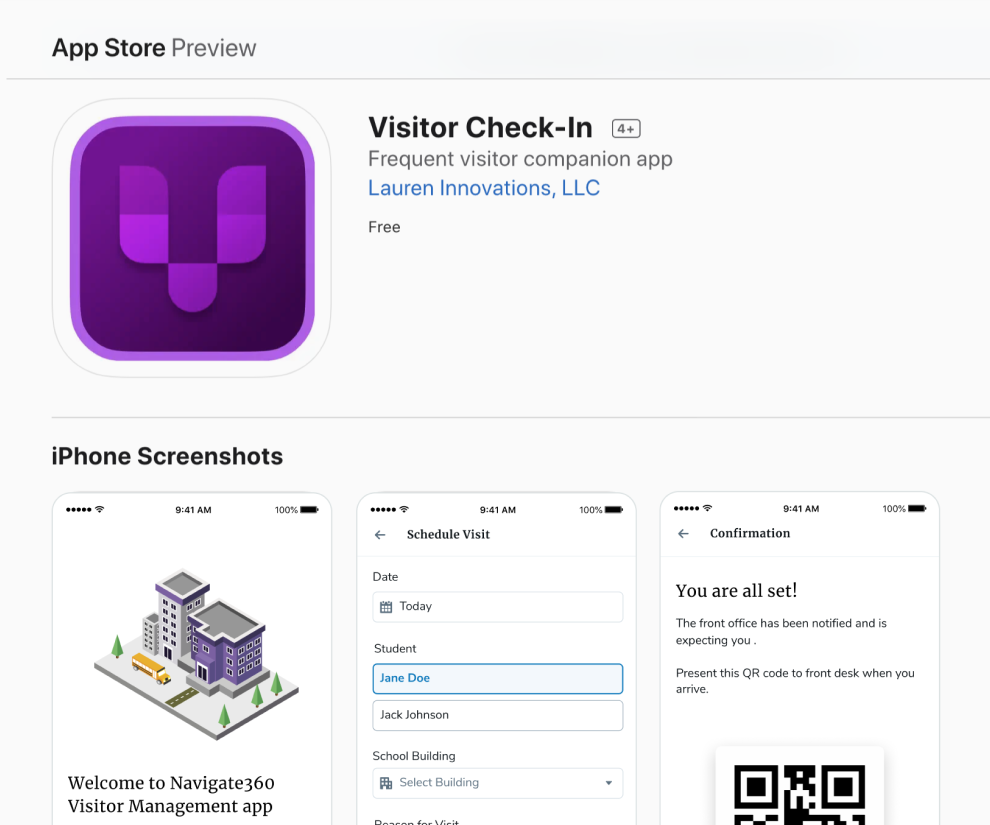
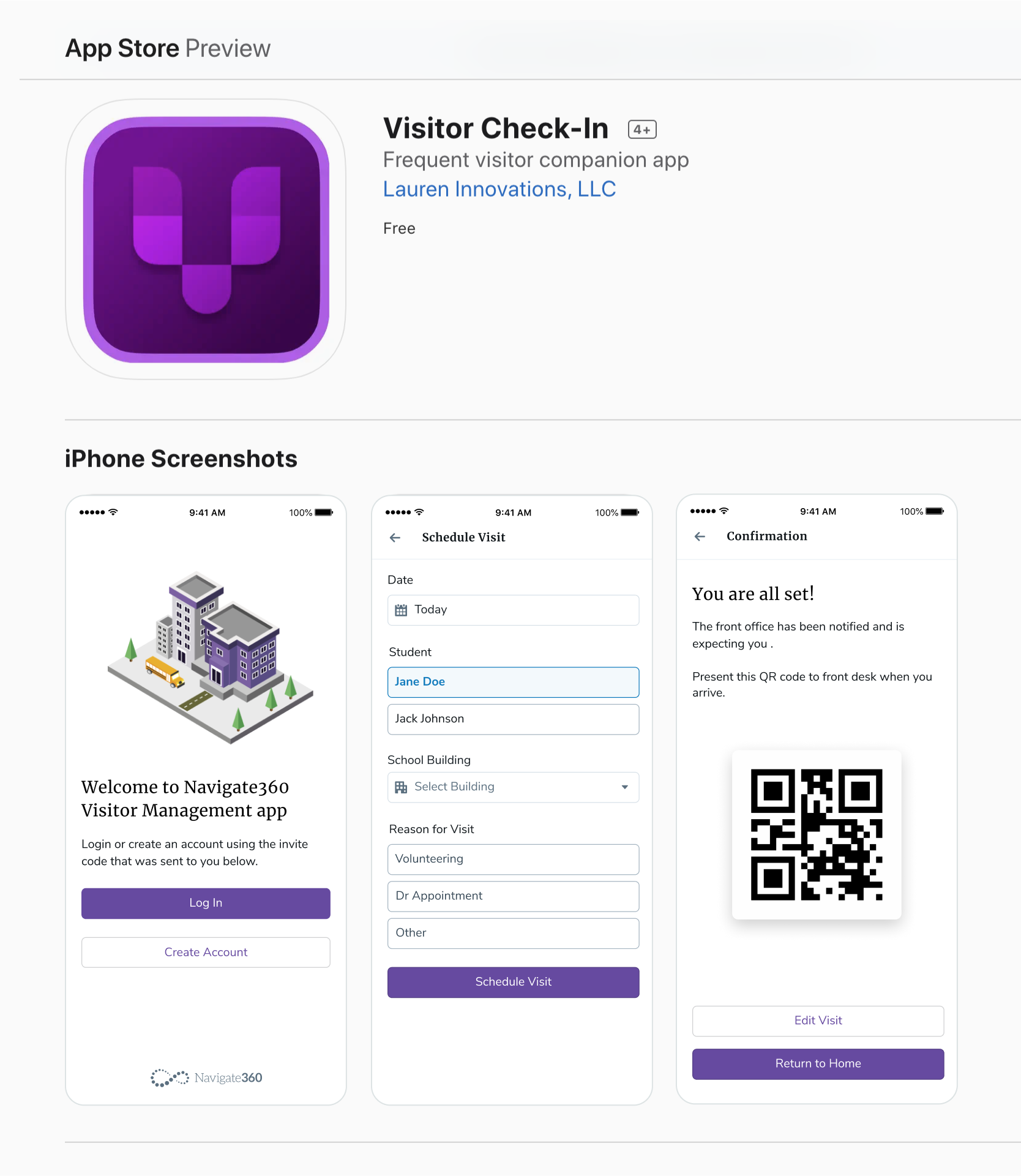
We also worked with Navigate360 to build a mobile companion app to the Visitor Management system on iOS and Android using React Native.
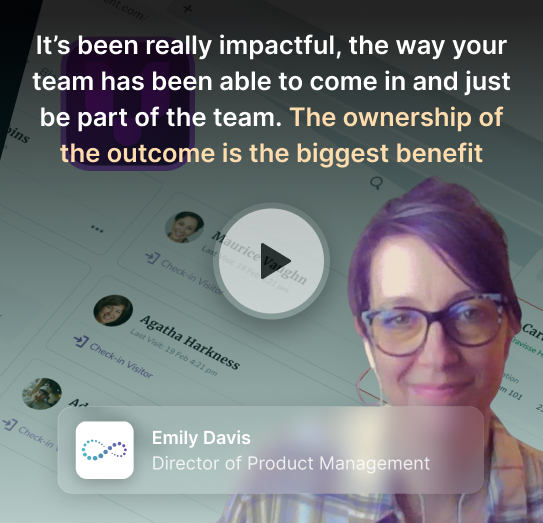
“UX Cabin integrated seamlessly with our team and helped us build an incredible product from the ground up.”
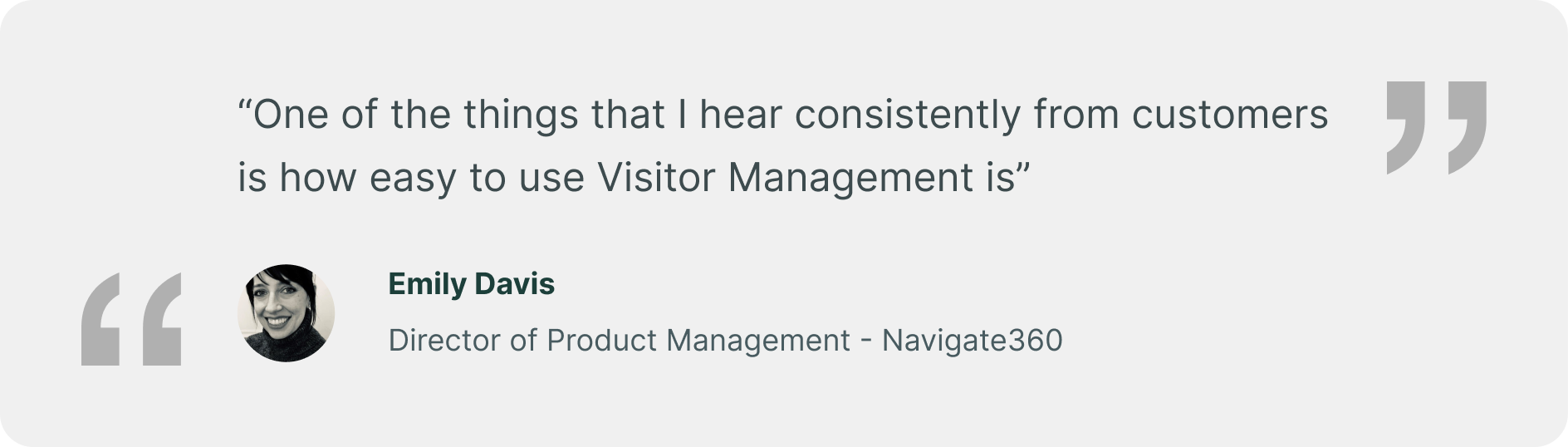
Emily Davis
Director of Product Management